Growing numbers of applications use a Titanium seamless tube because there are so many cases in which stainless steel and other materials are simply inadequate. Tubing is one of the popular titanium mill materials, and because of its superior strength-to-weight ratio and corrosion resistance, it is used in a variety of products. Let's dig deeper into the titanium tubing and what it's usually used for.
Most Titanium Plate grades are licensed for pressurized operation, so there are several different options out there. While all grades are available, grade 2 is the one used in most cases. This grade is readily available, which makes it a good choice for both short production runs and larger orders as well.
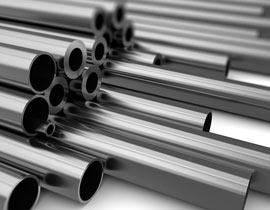
Uses of titanium tubing
In a number of different industries, Titanium Pipe tubing continues to grow in popularity. The most prominent includes:
- Chemical processing – In certain extreme cases, titanium has the corrosion resistance required to last for a long time.
- Oil and gas – High pressure, high-temperature applications such as those in oil and gas wells require piping that can withstand the continuous application.
- Aerospace – The tube offers tiredness and crack growth resistance, can withstand high temperatures without creeping, and the lightweight pipes are very useful for their strength-to-density ratios.
The strongest tubes for great construction
Titanium is known for its strength, low density compared with steel, and its resistance to corrosion. The qualities make it a common choice in a variety of sectors.
These specific characteristics will make Titanium Round Bar and titanium alloys a more acceptable choice depending on the application, than stainless steel and nickel alloys.
The density of titanium is around 60 percent that of stainless steel and nickel alloys; this weight saving makes it a common option for applications where this is important like aerospace. Its high tensile strength also means that reduced wall thickness can be used in some applications, and these material savings can result in lower costs or a further reduction in weight.
- Titanium is highly resistant to corrosion, which makes it a good choice where strength and resistance to corrosion are key factors.
- Titanium is non-magnetic, has a higher melting point than steel alloys, and strong heat transfer properties, which means it is widely used in processes of heat exchange.
Grade 1 is commercially pure Inconel 625 Round Bar and is also known as Titanium CP4. It is the softest of grades of titanium, which has the highest ductility. It has strong cold-forming properties and offers excellent resistance to corrosion. It also has excellent welding properties and high durability to its effect.
Grade 3 titanium is also known as Titanium CP2 and is commercially pure. It is stronger and less formable than Grades 1 and 2 of titanium. It is used regularly in aerospace and industrial applications, where moderate strength is required. Has exceptional resistance to corrosion.
Grade 5 titanium alloy can be treated with heat to improve its resistance. It can be used at work temperatures up to 600 ° F / 315.56 ° C in welded construction. This alloy combines high strength with useful formability and high corrosion resistance, at a lightweight.

